Posts

LIN ANDERSON: THE STRUCTURE OF STORY, PART II

Image
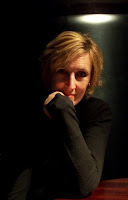
Today, I'm excited to re-introduce Lin Anderson for Part 2 of her 3-part series on The Structure of Story. Lin has a lot of writing experience, having published eight novels, which feature forensic expert Dr Rhona MacLeod. Her books have been translated into several langauages and are in development for TV. Her short stories have appeared in a number of collections, most recently  Dead Close  was chosen for the Best of British Crime 2011. Also a screenwriter, her film  River Child  won a BAFTA and the Celtic Film Festival best fiction award. Lin's website is:  http://www.lin-anderson.com/ Part 2: The Muddle in the Middle As I said in my opening piece, human beings intuitively understand when a story works. That’s probably most obvious when sitting in a packed cinema. The collective intelligence of the audience knows when things are going slack in the story. This happens usually in the middle section when the audience starts to fidget and eat th...

EDITING - UGH!

Image
Yesterday, I deleted nearly 600 words from a story that I have been working on for the last two weeks. Did it hurt? You bet it did. But by doing so, it improved the story dramatically. Don't you wish you could write prose that flowed across the paper like soft butter on warm toast? Dream on. If you’re like me, you're spending more time editing your stories than almost anything else. Editing is an integral part of the writing process, and it is only through thoughtful editing that my stories have come alive. Writing a story is like building a house with a lump of clay. You begin by roughing out the shape you want. Editing is the modeling process that shapes the clay into the beautiful finished product you had in mind when you began. The more experience I gain as a writer, the more I edit. The more I edit, the more experience I gain as a writer. George Lucas, talking about film editing, gives us an excellent definition on the subject. His words apply to story edit...

Lin Anderson: Things I Wish Someone Had Told Me…

Image
Today, I'm proud to introduce guest blogger, Lin Anderson who has published eight novels featuring forensic expert Dr Rhona MacLeod. Lin's books have been translated into several langauages and are in development for TV. Her short stories have appeared in a number of collections, most recently Dead Close was chosen for the Best of British Crime 2011. Also a screenwriter, her film River Child won a BAFTA and the Celtic Film Festival best fiction award. Lin's website is:  http://www.lin-anderson.com/ This following essay is the first of a three part blog. Part 1: The Structure of Story How important is it to understand the structure of a story? When I wrote my first short story and my first novel I had no idea how stories 'worked'. I knew instinctively when one didn't work, but had no idea what was wrong with it. When I wrote my first crime piece for television, I studied how it was done by watching Prime Suspect, a classic, and noting the st...

LIN ANDERSON TALKS WRITING

Image
I’m so excited! In a few days, Lin Anderson, the Scottish crime novelist, who has published eight novels featuring forensic expert Dr. Rhona MacLeod, will be my guest blogger. Lin’s books have been translated into several languages and are now in development for TV. Lin will be favoring us with a three-part blog series on writing. The first installment is titled, The Structure of Story . She prefaces this essay by saying, “Here are things I wish someone had told me.” You won’t want to miss this! This series is jam-packed with writing tips that both the newbie and the seasoned writer will find useful. So, stay tuned. Lin’s blog will be coming up in a few days. I can assure you; you won’t be disappointed.

MONDAYS ARE MURDER: AN INTERVIEW

Image
Every Monday, Hawaiian mystery writer Laurie Hanan interviews an author of a murder mystery or thriller. I’m excited to be part of this week’s interview. So put on your grass skirt or your luau shirt and let’s go to Hawaii . It’s only a click away: http://westoftheequator.wordpress.com/2012/04/09/146/

JIM HENSON’S THE STORYTELLER

Image
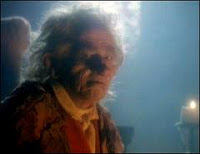
In 1988, The StoryTeller, created and produced by Jim Henson, first aired. It is a series that retold European folk tales, using live action and a dog puppet. An old storyteller (John Hurt) sits by the fire and recounts these tales to both the viewer and to his talking dog. I watched these wonderful stories back then, with my children, and I watch them still on Netflix. I never tire of them. As a storyteller, I am intrigued by the tales of old and read them often. I search for clues that answer the questions: What is it that makes a good story a great story? Why do some stories last for generations, while others die after only a short time, never to be heard again? Now, there is a comic book anthology, released by Archaia Entertainment  that mirrors the TV show, using luxuriant illustrations and an Old-World atmosphere to tell the tales. Between the pages of this book are reprised stories that are sure to tickle the fancy of the most demanding story listener. They are also a welc...

MY GREATEST TEACHER

Image
 My new website, writerenroute.com , is now up and running. I’ve worked hard on designing the site and I’m very happy with the results, especially the home page. The cover image is a triptych, composed of an reproduction of my novel, The Deal Master, as well as an image of my latest book, Discipline: A Play. Both images flank a center section that contains a quote equally important for writers and non writers, alike.       “Don’t tell me the moon is shining; show me the glint of light on broken glass.” __Anton Chekhov       The importance of this quote is obvious to writers . Every writer learns early in his/her education that “showing, not telling” is an invaluable writing technique. But in what way is this quote important to non writers?       My dad was my greatest teacher in life. Rarely did he “tell” me what I needed to say or do. He showed me by example. In almost any situation, I’d take clues from my dad on how to act an...